
What Do Catfish Eat | Proper Catfish Management in Your Lake
What Do Catfish Eat | Proper Catfish Management in Your Lake
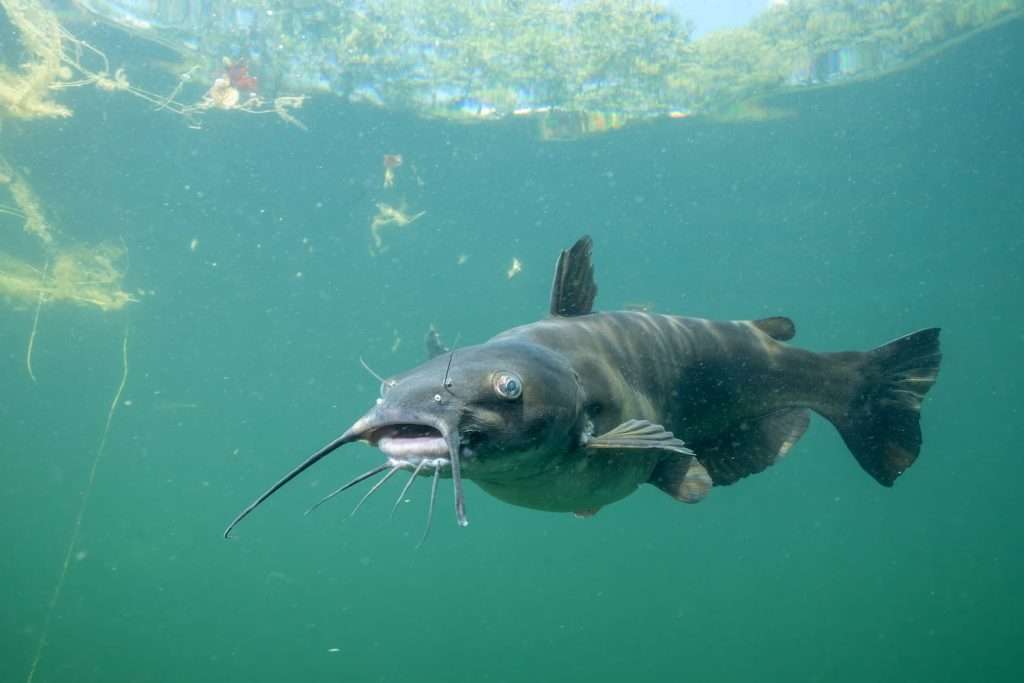
Catfish are a strong fit for many private ponds, HOA lakes, golf course water features, and managed freshwater systems. They are hardy fish, but good performance still comes down to one core issue: food.
A healthy catfish population needs enough natural forage, stable water quality, and a pond that can handle supplemental feeding without creating algae, muck, or oxygen stress. When the food source is right, catfish usually grow better, stay more active, and hold stronger body condition.
This guide explains what catfish eat, how feeding changes with size, and what your pond needs to support them properly.
What Catfish Eat
Catfish are opportunistic feeders. In most ponds, they eat what is available, easy to find, and easy to consume.
Common food sources include:
- Small fish and fish fry
- Minnows
- Bluegill fry
- Insects and insect larvae
- Crawfish and small crustaceans
- Aquatic worms
- Organic material on the pond bottom
- Commercial catfish food
In many managed ponds, catfish rely on a mix of natural forage and floating or sinking feed. That balance matters. A pond with a broader food base usually supports steadier growth than one that depends too heavily on pellets alone.
Catfish Feeding By Size
Catfish do not feed the same way throughout their lives.
Juveniles
Young catfish usually eat:
- Zooplankton
- Tiny aquatic insects
- Larvae
- Soft organic material
Growing fish
As they grow, they shift toward:
- Insect larvae
- Small crustaceans
- Small forage fish
- Prepared feed
Adults
Larger catfish commonly eat:
- Small fish
- Bluegill fry
- Minnows
- Crawfish
- Larger insects
- Commercial feed
This is why pond productivity matters. A good catfish pond supports more than one feeding stage.
Freshwater Catfish Types
Different catfish types feed a little differently. The most common species of catfish in managed ponds are channel catfish, blue catfish, and flathead catfish.
Channel catfish
These are usually the best fit for private ponds. They respond well to supplemental feeding and are the most practical option for many managed lake systems.
Blue catfish
Blue catfish grow larger and often depend more on fish prey as they mature. They usually fit better in larger lakes.
Flathead catfish
Flatheads are more strongly predatory and rely more on live prey. They are usually not the best choice for smaller ponds.
For most pond owners, channel catfish remain the easiest type of catfish to feed and manage.
Catfish Nutrition
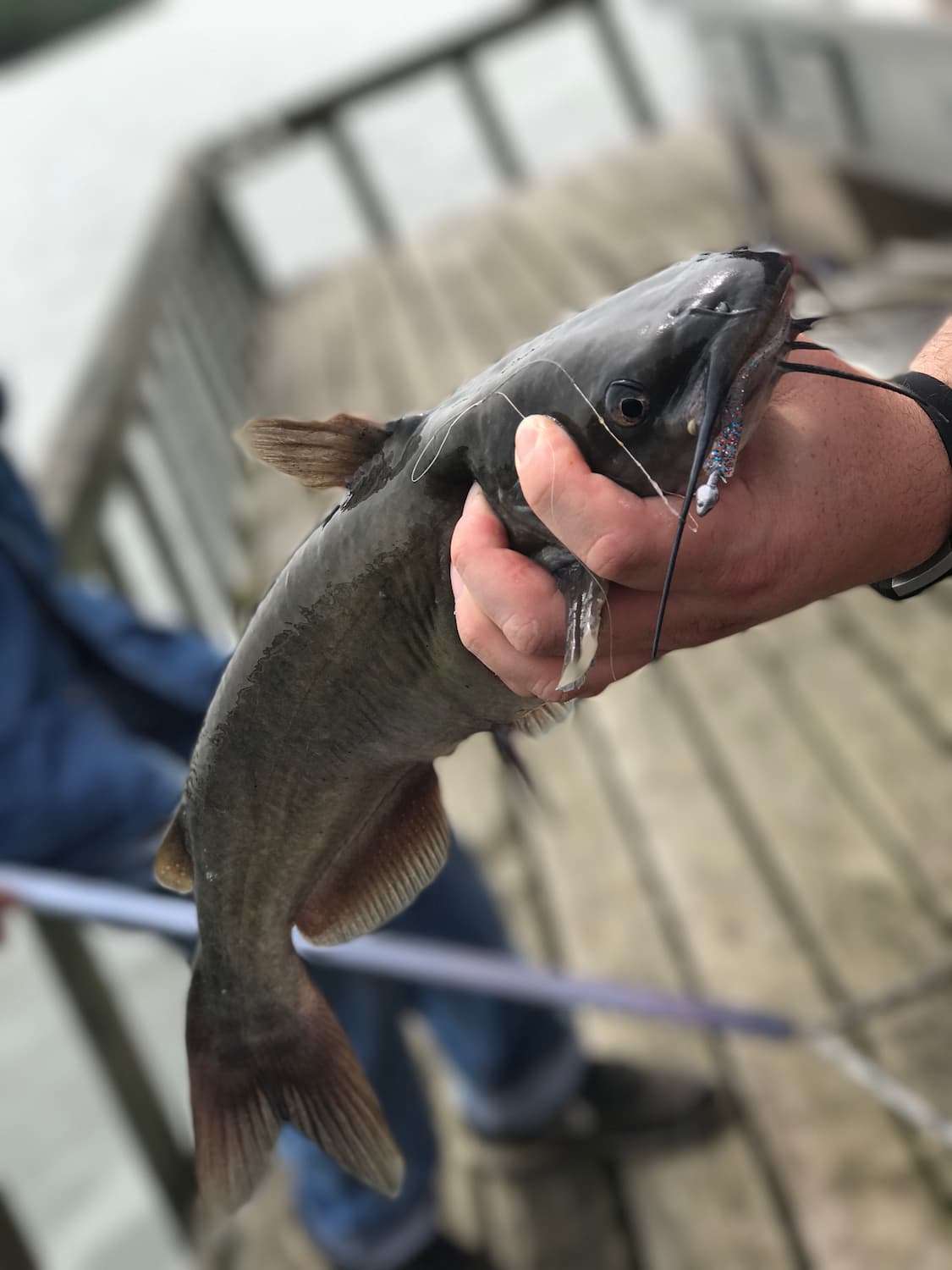
Good catfish nutrition supports:
- Better growth
- Stronger body condition
- More predictable feeding
- Healthier fish overall
Poor feeding management often causes:
- Uneaten feed on the bottom
- Extra nutrients in the water
- Algae growth
- Oxygen stress
- Muck buildup
The best feeding plan matches food levels to fish size, water temperature, oxygen, and existing forage. More feed does not automatically mean better results.
Growth Depends on Food
How big catfish can get depends heavily on:
- Forage availability
- Feed quality
- Oxygen support
- Stocking density
- Seasonal consistency
A crowded pond with weak forage and poor oxygen often produces slow growing fish. A balanced pond with stable water quality and strong catfish nutrition usually produces healthier fish with better body condition.
Manage Catfish Populations in Your Lake
Pond Guru can help mechanically remove lily pads with our amphibious harvester. Schedule site visit now!
How Pond Guru Helps
Pond Guru helps pond owners determine whether their waterbody can support catfish properly and what feeding strategy makes sense for the site.
A site visit can help assess:
- Pond size and depth
- Fish population balance
- Oxygen and water quality
- Signs of overcrowding
- Forage strength
- Whether supplemental catfish food makes sense
- Which catfish species fit the pond best
This makes it easier to match feeding to the pond instead of guessing.

Final Thoughts
Catfish eat a mix of small fish, insects, crustaceans, organic forage, and prepared feed. The exact balance depends on fish size, pond conditions, and the type of catfish being raised.
Healthy catfish come from healthy pond conditions. Good food helps, but oxygen, forage, stocking balance, and water quality matter just as much. When those pieces are in place, catfish are easier to manage and more likely to thrive.
Pond Guru provides site visits to help evaluate your pond, review feeding conditions, and determine whether your lake can support catfish properly. Schedule a site visit with Pond Guru to build a more practical catfish management plan for your property.
Frequently Asked Questions
Catfish commonly eat small fish, fish fry, minnows, insects, insect larvae, worms, and crawfish. In managed ponds, they may also eat commercial pellets as part of a feeding program.
The best catfish food usually combines natural forage with a quality prepared feed when needed. Channel catfish often respond well to protein based floating pellets in well managed ponds.
Catfish do have teeth, but they are small and sandpaper like. Catfish do not have scales, and their smooth skin and barbels help them locate food efficiently.
Growth depends on species, food supply, oxygen, water quality, and fish balance. Channel catfish can reach strong harvest size in a healthy pond, while blue catfish can grow much larger in the right system.
Pond Guru can evaluate your pond’s fish balance, forage base, oxygen support, and water quality to determine the best feeding approach and whether the pond can sustain catfish well.
Ready to Schedule a Visit ?
Have questions about your pond or lake? Our experts are ready to help you take the next step.
Latest Article
Popular Post

Is Common Water Hyacinth an Invasive Species in Florida?
Short answer: yes. Common water hyacinth is one of the…
Catfish are a strong fit for many private ponds, HOA lakes, golf course water features, and managed freshwater systems. They are hardy fish, but good performance still comes down to one core issue: food.
A healthy catfish population needs enough natural forage, stable water quality, and a pond that can handle supplemental feeding without creating algae, muck, or oxygen stress. When the food source is right, catfish usually grow better, stay more active, and hold stronger body condition.
This guide explains what catfish eat, how feeding changes with size, and what your pond needs to support them properly.
What Catfish Eat
Catfish are opportunistic feeders. In most ponds, they eat what is available, easy to find, and easy to consume.
Common food sources include:
- Small fish and fish fry
- Minnows
- Bluegill fry
- Insects and insect larvae
- Crawfish and small crustaceans
- Aquatic worms
- Organic material on the pond bottom
- Commercial catfish food
In many managed ponds, catfish rely on a mix of natural forage and floating or sinking feed. That balance matters. A pond with a broader food base usually supports steadier growth than one that depends too heavily on pellets alone.
Catfish Feeding By Size
Catfish do not feed the same way throughout their lives.
Juveniles
Young catfish usually eat:
- Zooplankton
- Tiny aquatic insects
- Larvae
- Soft organic material
Growing fish
As they grow, they shift toward:
- Insect larvae
- Small crustaceans
- Small forage fish
- Prepared feed
Adults
Larger catfish commonly eat:
- Small fish
- Bluegill fry
- Minnows
- Crawfish
- Larger insects
- Commercial feed
This is why pond productivity matters. A good catfish pond supports more than one feeding stage.
Freshwater Catfish Types
Different catfish types feed a little differently. The most common species of catfish in managed ponds are channel catfish, blue catfish, and flathead catfish.
Channel catfish
These are usually the best fit for private ponds. They respond well to supplemental feeding and are the most practical option for many managed lake systems.
Blue catfish
Blue catfish grow larger and often depend more on fish prey as they mature. They usually fit better in larger lakes.
Flathead catfish
Flatheads are more strongly predatory and rely more on live prey. They are usually not the best choice for smaller ponds.
For most pond owners, channel catfish remain the easiest type of catfish to feed and manage.
Catfish Nutrition
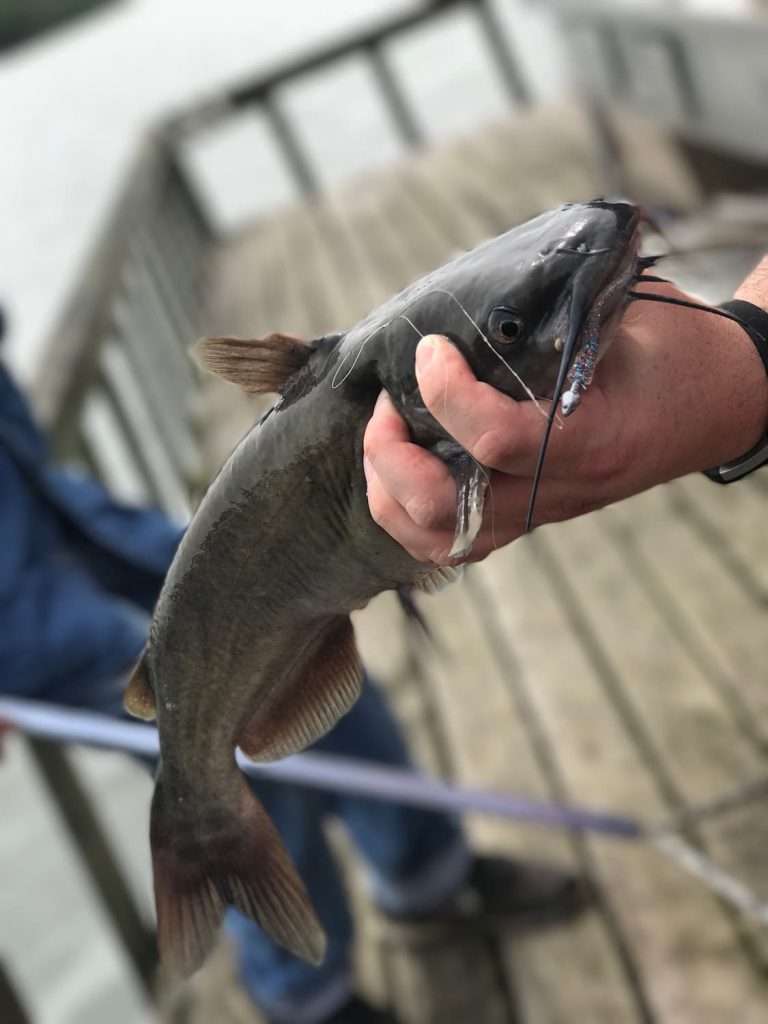
Good catfish nutrition supports:
- Better growth
- Stronger body condition
- More predictable feeding
- Healthier fish overall
Poor feeding management often causes:
- Uneaten feed on the bottom
- Extra nutrients in the water
- Algae growth
- Oxygen stress
- Muck buildup
The best feeding plan matches food levels to fish size, water temperature, oxygen, and existing forage. More feed does not automatically mean better results.
Growth Depends on Food
How big catfish can get depends heavily on:
- Forage availability
- Feed quality
- Oxygen support
- Stocking density
- Seasonal consistency
A crowded pond with weak forage and poor oxygen often produces slow growing fish. A balanced pond with stable water quality and strong catfish nutrition usually produces healthier fish with better body condition.
Manage Catfish Populations in Your Lake
Pond Guru can help mechanically remove lily pads with our amphibious harvester. Schedule site visit now!
How Pond Guru Helps
Pond Guru helps pond owners determine whether their waterbody can support catfish properly and what feeding strategy makes sense for the site.
A site visit can help assess:
- Pond size and depth
- Fish population balance
- Oxygen and water quality
- Signs of overcrowding
- Forage strength
- Whether supplemental catfish food makes sense
- Which catfish species fit the pond best
This makes it easier to match feeding to the pond instead of guessing.
Final Thoughts
Catfish eat a mix of small fish, insects, crustaceans, organic forage, and prepared feed. The exact balance depends on fish size, pond conditions, and the type of catfish being raised.
Healthy catfish come from healthy pond conditions. Good food helps, but oxygen, forage, stocking balance, and water quality matter just as much. When those pieces are in place, catfish are easier to manage and more likely to thrive.
Pond Guru provides site visits to help evaluate your pond, review feeding conditions, and determine whether your lake can support catfish properly. Schedule a site visit with Pond Guru to build a more practical catfish management plan for your property.
Frequently Asked Questions
Catfish commonly eat small fish, fish fry, minnows, insects, insect larvae, worms, and crawfish. In managed ponds, they may also eat commercial pellets as part of a feeding program.
The best catfish food usually combines natural forage with a quality prepared feed when needed. Channel catfish often respond well to protein based floating pellets in well managed ponds.
Catfish do have teeth, but they are small and sandpaper like. Catfish do not have scales, and their smooth skin and barbels help them locate food efficiently.
Growth depends on species, food supply, oxygen, water quality, and fish balance. Channel catfish can reach strong harvest size in a healthy pond, while blue catfish can grow much larger in the right system.
Pond Guru can evaluate your pond’s fish balance, forage base, oxygen support, and water quality to determine the best feeding approach and whether the pond can sustain catfish well.
Ready to Schedule a Visit ?
Have questions about your pond or lake? Our experts are ready to help you take the next step.
Latest Article
Popular Post
Is Common Water Hyacinth an Invasive Species in Florida?
Short answer: yes. Common water hyacinth is one of the…